Blog
Buy Magic mushrooms : A Comprehensive Guide to Psilocybin Fungi
Apr
Introduction
Buy Magic mushrooms, scientifically known as psilocybin mushrooms, represent one of humanity’s oldest and most intriguing relationships with naturally occurring psychoactive substances. These fungi contain the compounds psilocybin and psilocin, which produce profound alterations in consciousness, perception, and cognition. Throughout history,Buy Magic mushrooms have played significant roles in religious ceremonies, healing practices, and more recently, in cutting-edge psychiatric research.
This comprehensive guide explores the biology, history, effects, therapeutic potential, legal status, and cultural significance of psilocybin mushrooms, providing an educational overview of these remarkable organisms.
The Science Behind Magic Mushrooms
What Are Psilocybin Mushrooms? Buy Magic mushrooms
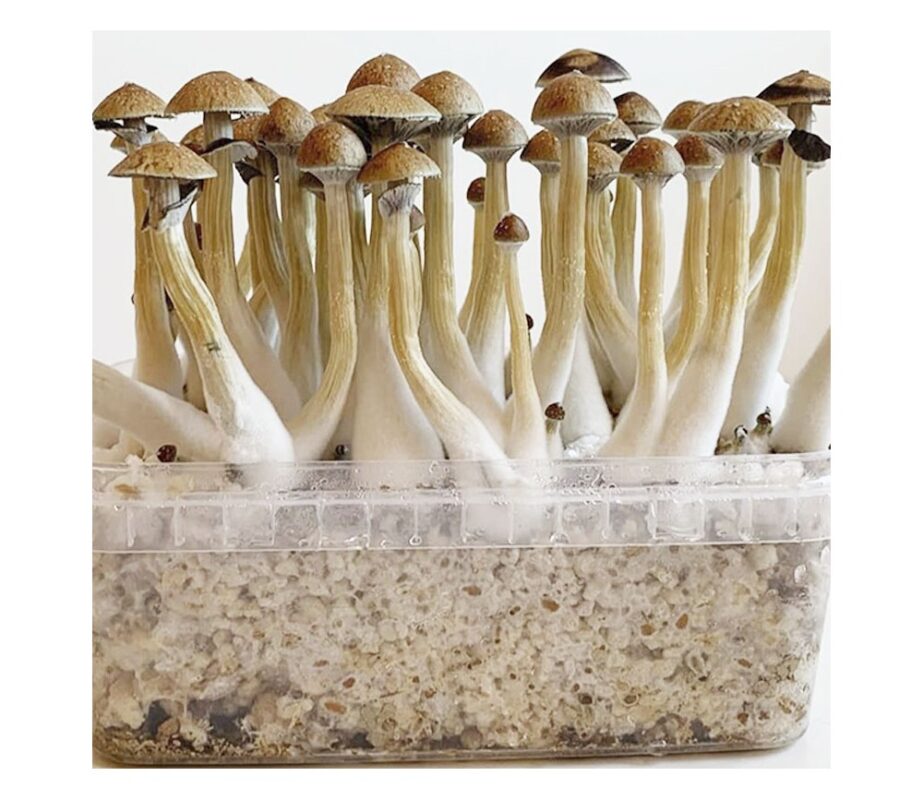
Psilocybin mushrooms are fungi that contain the psychoactive compounds psilocybin and psilocin. Over 180 species of mushrooms produce these substances, though the most commonly known belong to the genus Psilocybe. The most widely recognized species include Psilocybe cubensis, Psilocybe semilanceata (Liberty Caps), Psilocybe cyanescens, and Psilocybe azurescens.
These magic mushrooms grow naturally in various environments worldwide, from tropical regions to temperate grasslands. They typically thrive in nutrient-rich soil, often in areas with livestock or decaying organic matter.
Chemical Composition and Mechanism
Psilocybin is a prodrug, meaning it converts into the active compound psilocin after ingestion. The body’s enzymes break down psilocybin through a process called dephosphorylation, creating psilocin, which then crosses the blood-brain barrier and produces psychoactive effects.
Psilocin works primarily by binding to serotonin receptors in the brain, particularly the 5-HT2A receptor. This interaction affects multiple brain regions, including:
- The prefrontal cortex (involved in mood, cognition, and perception)
- The default mode network (associated with self-referential thinking and ego)
- Visual processing centers
- Emotional regulation areas
The binding of psilocin to these receptors disrupts normal brain activity patterns, leading to altered states of consciousness. Modern neuroimaging studies show that psilocybin increases connectivity between brain regions that don’t typically communicate, while simultaneously reducing activity in the default mode network—the brain’s “autopilot” system.
Identifying Features
While identification should only be done by experts due to the presence of toxic look-alikes, psilocybin Buy Magic mushrooms generally share certain characteristics:
- Bruising: Most psilocybin mushrooms bruise blue or blue-green when damaged, due to oxidation of psilocin
- Spore print: Typically purple-brown to dark purple-black
- Gills: Usually attached to the stem, darkening as spores mature
- Cap: Often conical or bell-shaped, though this varies by species
- Habitat: Many grow in grasslands, pastures, or wood chips
Critical Warning: Misidentification can be fatal. Several deadly mushroom species resemble psilocybin varieties. Never consume wild Buy Magic mushrooms without expert verification.
Historical and Cultural Context
Ancient and Indigenous Use
The relationship between humans and psilocybin Buy Magic mushrooms extends back thousands of years. Archaeological evidence suggests that various cultures incorporated these fungi into spiritual and healing practices.
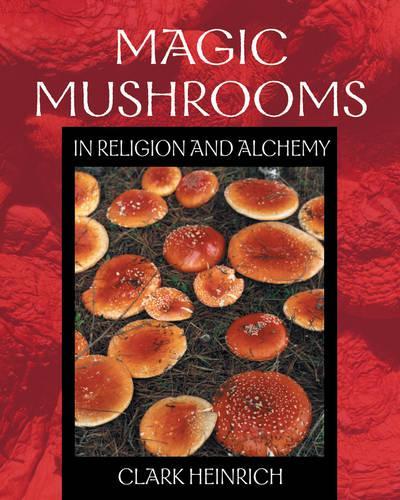
Mesoamerica: The Aztec, Mazatec, and other indigenous peoples of Mexico have long traditions of using psilocybin mushrooms in religious ceremonies. The Aztecs called them “teonanácatl,” meaning “flesh of the gods.” Spanish conquistadors documented these practices in the 16th century, often viewing them with suspicion and attempting suppression.
Mazatec Traditions: The Mazatec people of Oaxaca, Mexico, maintained continuous ceremonial use of psilocybin mushrooms for healing and divination. María Sabina, a Mazatec curandera (healer), became internationally known in the 1950s when she allowed Western researchers to participate in traditional veladas (healing ceremonies).
Other Cultures: Evidence suggests that various cultures across Africa, Europe, and Asia may have used psilocybin mushrooms historically, though documentation is less extensive than for Mesoamerican traditions.
Modern Rediscovery
The Western world’s modern encounter with buy magic mushrooms began in earnest in the 1950s when banker and amateur mycologist R. Gordon Wasson traveled to Mexico and participated in a Mazatec ceremony with María Sabina. His 1957 Life magazine article, “Seeking the Magic Mushroom,” introduced psilocybin fungi to mainstream Western audiences.
This sparked scientific interest. Swiss chemist Albert Hofmann (who had previously synthesized LSD) isolated and synthesized psilocybin in 1958. Throughout the early 1960s, researchers including Timothy Leary and Richard Alpert conducted studies at Harvard University exploring psilocybin’s effects on consciousness and its therapeutic potential.
However, the countercultural embrace of psychedelics, combined with political concerns, led to widespread prohibition. The United States classified psilocybin as a Schedule I substance in 1970, effectively ending most research for decades.
Effects and Experiences Buy Magic mushrooms
Subjective Effects
The psilocybin experience varies tremendously based on dose, individual psychology, environment, and expectation—factors often summarized as “set and setting.” Common effects include:
Perceptual Changes:
- Enhanced colors and visual patterns
- Geometric hallucinations with closed eyes
- Objects appearing to breathe, move, or morph
- Synesthesia (blending of senses)
- Altered perception of time and space
Cognitive Effects:
- Enhanced introspection and self-reflection
- Novel perspectives on personal issues
- Increased emotional openness
- Enhanced creativity and associative thinking
- Dissolution of ego boundaries
- Sense of unity or interconnectedness
Emotional Effects:
- Euphoria and joy
- Deep emotional release
- Spiritual or mystical feelings
- Confrontation with difficult emotions
- Enhanced empathy and compassion
Physical Effects:
- Pupil dilation
- Changes in heart rate and blood pressure
- Nausea (particularly during onset)
- Yawning
- Temperature fluctuations
- Coordination changes
Duration and Dosage
Timeline:
- Onset: 20-60 minutes after ingestion
- Peak: 2-3 hours after onset
- Duration: 4-6 hours total
- Afterglow: Subtle effects may persist for 12-24 hours
Dosage ranges (dried mushrooms):
- Microdose: 0.1-0.3 grams
- Threshold: 0.5-1 gram
- Light: 1-2 grams
- Common: 2-3.5 grams
- Strong: 3.5-5 grams
- Heroic: 5+ grams
Potency varies significantly between species and individual mushrooms, making precise dosing challenging with whole mushrooms.
Challenging Experiences
Not all psilocybin experiences are pleasant. “Bad trips” can involve: Buy Magic mushrooms
- Overwhelming anxiety or paranoia
- Disturbing visions or thought loops
- Loss of sense of self (ego death)
- Panic reactions
- Temporary psychosis-like symptoms
These challenging experiences are more likely with:
- High doses
- Unstable mental states
- Unsupportive environments
- Lack of preparation
- History of certain mental health conditions
However, research suggests that even difficult experiences, when properly supported and integrated, can lead to positive long-term outcomes.
Therapeutic and Medical Research
The Psychedelic Renaissance
After decades of prohibition, psilocybin research resumed in the 1990s and has accelerated dramatically in recent years. This “psychedelic renaissance” has produced compelling evidence for therapeutic applications.
Treatment-Resistant Depression
Multiple clinical trials have demonstrated psilocybin’s efficacy for treatment-resistant depression. Studies from institutions including Johns Hopkins University, Imperial College London, and the University of California, San Francisco have shown that psilocybin-assisted therapy produces rapid and sustained improvements in depression symptoms.
A 2021 study published in JAMA Psychiatry found that two doses of psilocybin, combined with psychotherapy, produced significant antidepressant effects that persisted for at least one month in patients who had not responded to conventional treatments. Buy Magic mushrooms
End-of-Life Anxiety
Research has shown remarkable results for psilocybin in treating existential anxiety in terminally ill patients. Studies with cancer patients experiencing depression and anxiety about mortality found that single psilocybin sessions produced substantial and enduring reductions in distress.
Many participants reported profound mystical experiences that fundamentally changed their relationship with death, reducing fear and increasing acceptance. Benefits often persisted for months or years after treatment.
Addiction Treatment
Preliminary research suggests psilocybin may help treat various addictions:
Tobacco: A Johns Hopkins study found that 80% of participants who received psilocybin-assisted therapy remained abstinent from smoking six months later—far exceeding conventional treatment success rates.
Alcohol: Research indicates psilocybin may reduce heavy drinking and increase abstinence rates in alcohol use disorder. Buy Magic mushrooms
Other Substances: Early studies are exploring applications for cocaine, opioid, and other substance dependencies.
Obsessive-Compulsive Disorder
Small pilot studies have shown promise for psilocybin in treating OCD, with some participants experiencing significant symptom reduction after psilocybin sessions.
Mechanisms of Therapeutic Action
Researchers propose several mechanisms for psilocybin’s therapeutic effects:
- Neuroplasticity: Psilocybin appears to promote neural growth and connection formation
- Default Mode Network Disruption: Reducing activity in self-referential thinking patterns
- Emotional Processing: Facilitating access to and processing of difficult emotions
- Mystical Experience: Profound experiences of unity and meaning correlate with therapeutic outcomes
- Psychological Flexibility: Increased openness to new perspectives and behaviors
Legal Status and Decriminalization Movements
Global Legal Framework
Psilocybin is classified as a controlled substance in most countries worldwide. The United Nations’ 1971 Convention on Psychotropic Substances placed psilocybin in Schedule I, indicating high abuse potential and no accepted medical use.
United States: Psilocybin is a Schedule I controlled substance federally, making possession, cultivation, and distribution illegal with severe penalties. Buy Magic mushrooms
International Variations:
- Netherlands: Fresh psilocybin mushrooms (truffles) are legal; dried mushrooms are prohibited
- Brazil: Psilocybin mushrooms are not explicitly controlled
- Jamaica: No laws specifically prohibit psilocybin mushrooms
- Portugal: Decriminalized possession of small amounts for personal use
- Most other nations: Prohibited with varying penalty severity
Decriminalization and Reform Movements
Recent years have seen growing momentum for psilocybin law reform:
United States Cities and States:
- Denver, Colorado (2019): First U.S. city to decriminalize psilocybin
- Oakland and Santa Cruz, California: Decriminalized all entheogenic plants and fungi
- Oregon (2020): Voters approved Measure 109, creating legal framework for supervised psilocybin therapy
- Colorado (2022): Voters approved natural medicine health access
- Multiple other cities including Seattle, Detroit, and Washington D.C. have enacted reforms
Canada: Granted exemptions for terminally ill patients and approved compassionate access for treatment-resistant conditions.
Australia: Reclassified psilocybin to allow authorized psychiatrists to prescribe it for treatment-resistant depression.
These reforms reflect growing recognition of psilocybin’s therapeutic potential and the disproportionate harm of criminalization.
Safety and Risk Considerations
Physical Safety
Psilocybin has a remarkably favorable safety profile from a toxicological standpoint. The lethal dose is extremely high—estimated at over 1,000 times a typical recreational dose. There are no confirmed deaths from psilocybin overdose alone.
Low Physical Risk:
- Non-addictive (no physical dependence)
- No organ toxicity at typical doses
- No evidence of long-term physical harm
However, risks exist:
- Accidents due to impaired judgment and coordination
- Dangerous behavior during disorientation
- Cardiovascular stress (concern for those with heart conditions)
- Nausea and vomiting
Psychological Risks
While physically safe, psilocybin carries psychological risks:
Contraindications:
- Personal or family history of schizophrenia or psychotic disorders
- Bipolar disorder (may trigger manic episodes)
- Severe anxiety disorders (may exacerbate symptoms)
- Current psychological crisis
Potential Adverse Effects:
- Triggering latent mental health conditions
- Hallucinogen Persisting Perception Disorder (HPPD)—rare, persistent visual disturbances
- Psychological distress from challenging experiences
- Risk-taking behavior during intoxication
Harm Reduction Principles
For those who choose to use psilocybin despite legal status, harm reduction approaches include: Buy Magic mushrooms
- Set and Setting: Ensure positive mindset and safe, comfortable environment
- Starting Low: Begin with smaller doses to gauge sensitivity
- Trip Sitter: Have a sober, trusted person present
- Screening: Avoid use with contraindicated mental health conditions
- Integration: Process experiences afterward, ideally with professional support
- Testing: Verify substance identity if source is uncertain
- Avoiding Combinations: Don’t mix with alcohol or other substances
Future Directions
Clinical Integration
As research continues demonstrating efficacy and safety, psilocybin therapy may become an established treatment option. Key developments include:
- FDA designation of psilocybin as “breakthrough therapy” for depression
- Ongoing Phase III clinical trials
- Training programs for psilocybin-assisted therapists
- Development of standardized treatment protocols
Research Frontiers
Scientists are exploring:
- Optimal dosing protocols
- Mechanisms of action at molecular and neural circuit levels
- Applications for PTSD, eating disorders, and chronic pain
- Long-term effects of repeated use
- Individual differences in response
Societal Implications
The psilocybin renaissance raises profound questions:
- How should society balance therapeutic access with preventing recreational misuse?
- What role might psychedelics play in mental healthcare?
- How can indigenous knowledge and practices be respected and protected?
- What are the implications for understanding consciousness itself?
Conclusion
Magic mushrooms represent a fascinating intersection of biology, pharmacology, culture, spirituality, and medicine. These remarkable fungi have accompanied humanity for millennia, playing roles in healing, religious experience, and exploration of consciousness.
Modern science is rediscovering what traditional cultures have long known: when used responsibly and with proper context, psilocybin can catalyze profound healing and transformation. The resurgence of research has produced compelling evidence for therapeutic applications, particularly for conditions resistant to conventional treatments.
However, psilocybin is not a panacea, and its use carries real risks that must be respected. The path forward requires balancing therapeutic potential with safety considerations, respecting traditional knowledge while advancing scientific understanding, and developing appropriate legal frameworks that protect public health while enabling legitimate uses.
As research continues and societal attitudes evolve, psilocybin mushrooms may transition from prohibited substances to valuable therapeutic tools, offering new hope for mental health treatment while deepening our understanding of consciousness, healing, and human potential.
The story of magic mushrooms is still being written, and the coming years will likely bring significant developments in research, policy, and clinical application of these ancient yet newly appreciated organisms.
